
Jennifer Alix-García
Professor of Applied Economics · Oregon State University
I am an applied microeconomist. My research focuses on environment and development, economic geography, and the impacts of forced migration.
I received my Ph.D. from UC Berkeley’s Department of Agricultural and Resource Economics. I have worked at the University of Montana, the University of San Francisco, and the University of Wisconsin–Madison. I am now Professor of Applied Economics and the Hector Macpherson Endowed Professor of Land Economics at Oregon State University.
Research themes
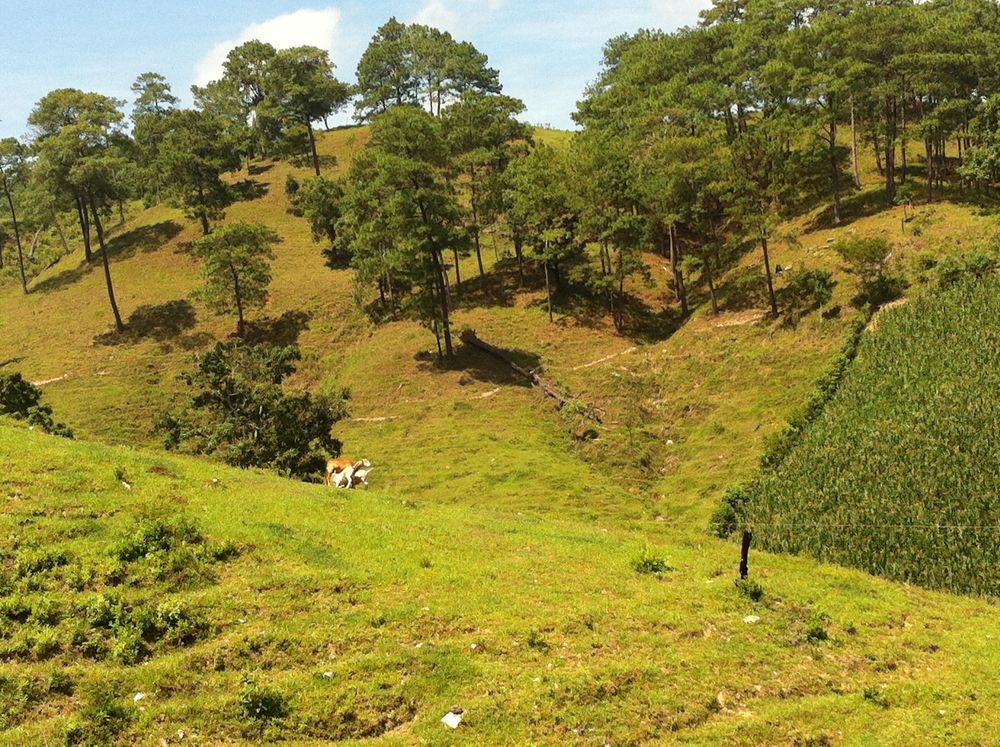 Causes of land use changeWhat causes deforestation?13 publications
 Land use policyHow can we prevent land use change?23 publications
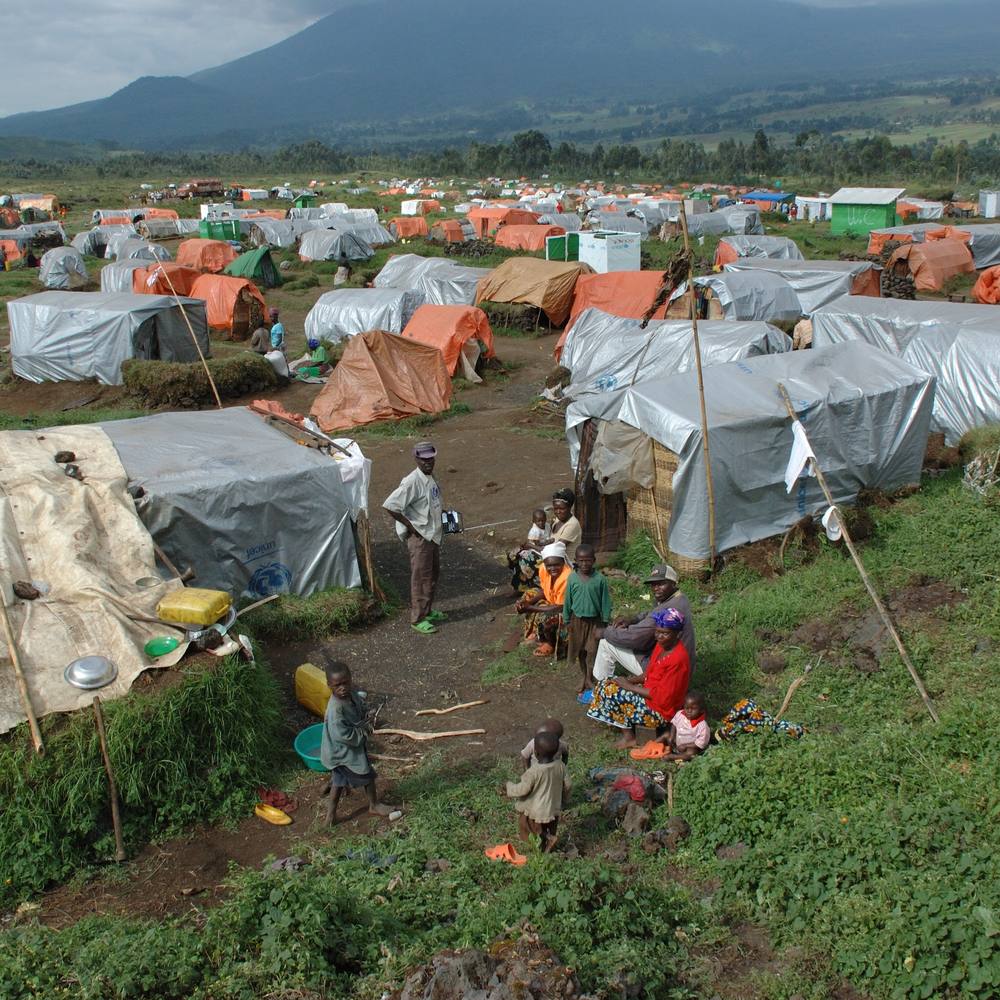 Forced migrationHow do internally displaced people and refugees affect host communities?8 publications
 Economic history, geography, and other stuffHow do history and geography determine the landscapes we see today? And other miscellaneous questions.10 publications
Recent publications
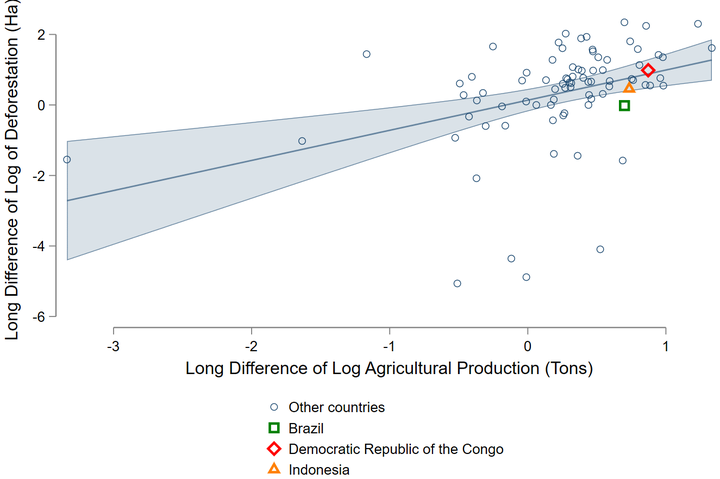
A synthesis of the evidence on how farming and the environment interact across the tropics, cataloging policies that highlight where food production and environmental quality can be made to work together.
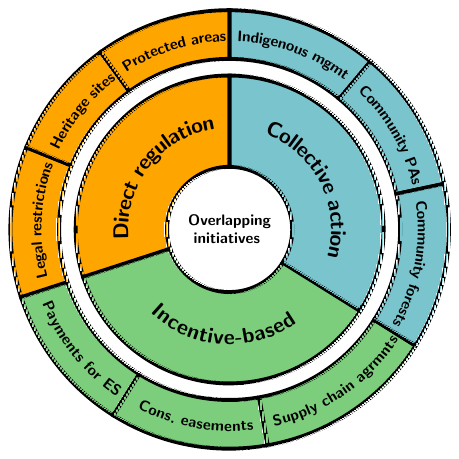
Drawing on a synthesis of more than 200 studies, this paper proposes eight design principles for conservation programs that can succeed simultaneously on environmental, economic, and equity goals.
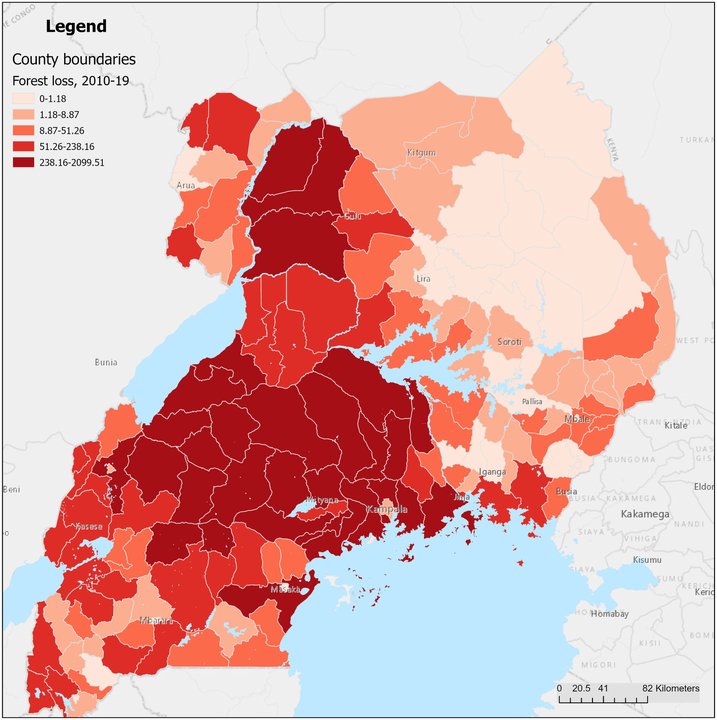
In a field experiment with Ugandan forest users, insecure land tenure raised tree extraction by 23%, while the option to secure tenure through certification cut that effect in half, showing that strengthening property rights can meaningfully reduce deforestation.
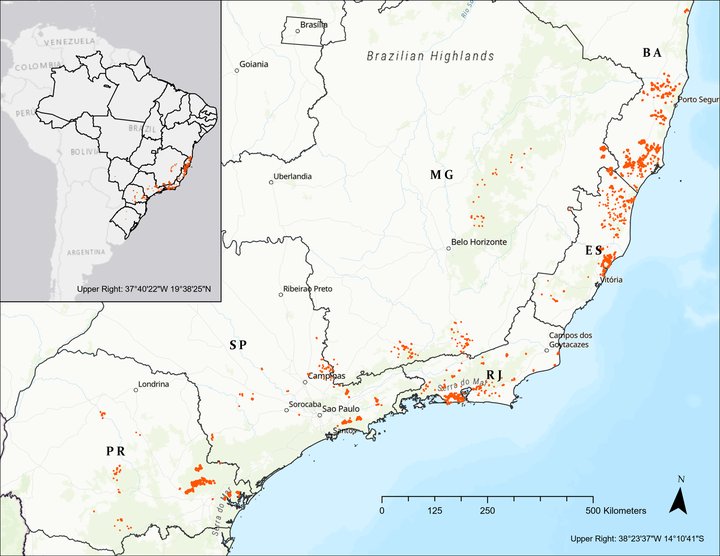
Brazil's Atlantic Forest Restoration Pact increased restored forest cover on supported private land by 10–20 percentage points, with the largest gains in more remote areas and in states with stronger environmental enforcement, demonstrating that large-scale restoration on private land is achievable when the economic and institutional conditions line up.
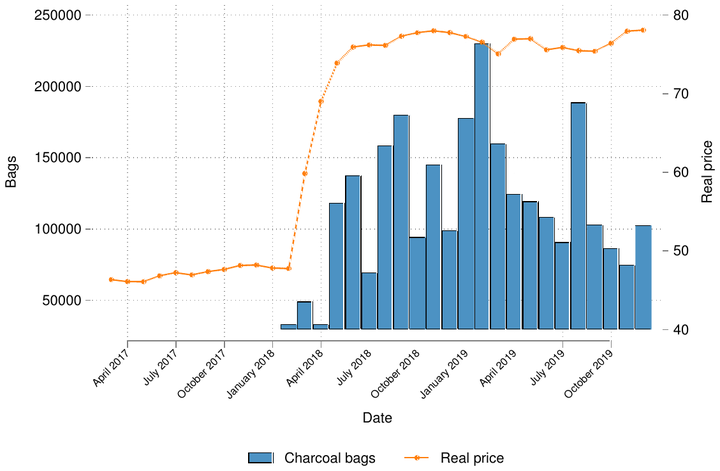
Production bans do not always do what is intended. Kenya's 2018 logging ban displaced wood extraction rather than reducing it, driving domestic charcoal prices up about 36% and charcoal imports from neighboring Uganda up 133% within the first six months.
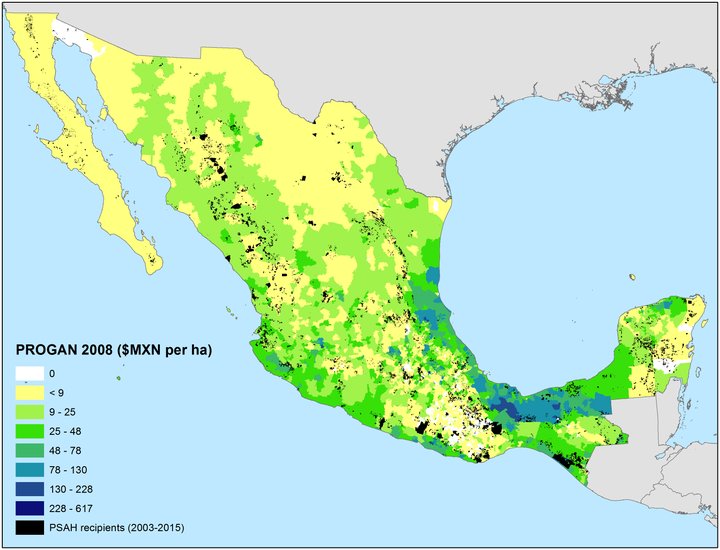
Mexico's per-head livestock subsidy increased municipal deforestation by about 7%, though the effect was smaller where payments for ecosystem services were more common, suggesting that agricultural subsidies can quietly undercut conservation programs and would do less damage if better targeted.